Shoulder & Rotator Cuff
Shoulder Pain Physical Therapy in Orlando, FL
Most shoulder pain — including rotator cuff tears — responds well to physical therapy. Surgery is often a last resort, not a first step.
Request an Appointment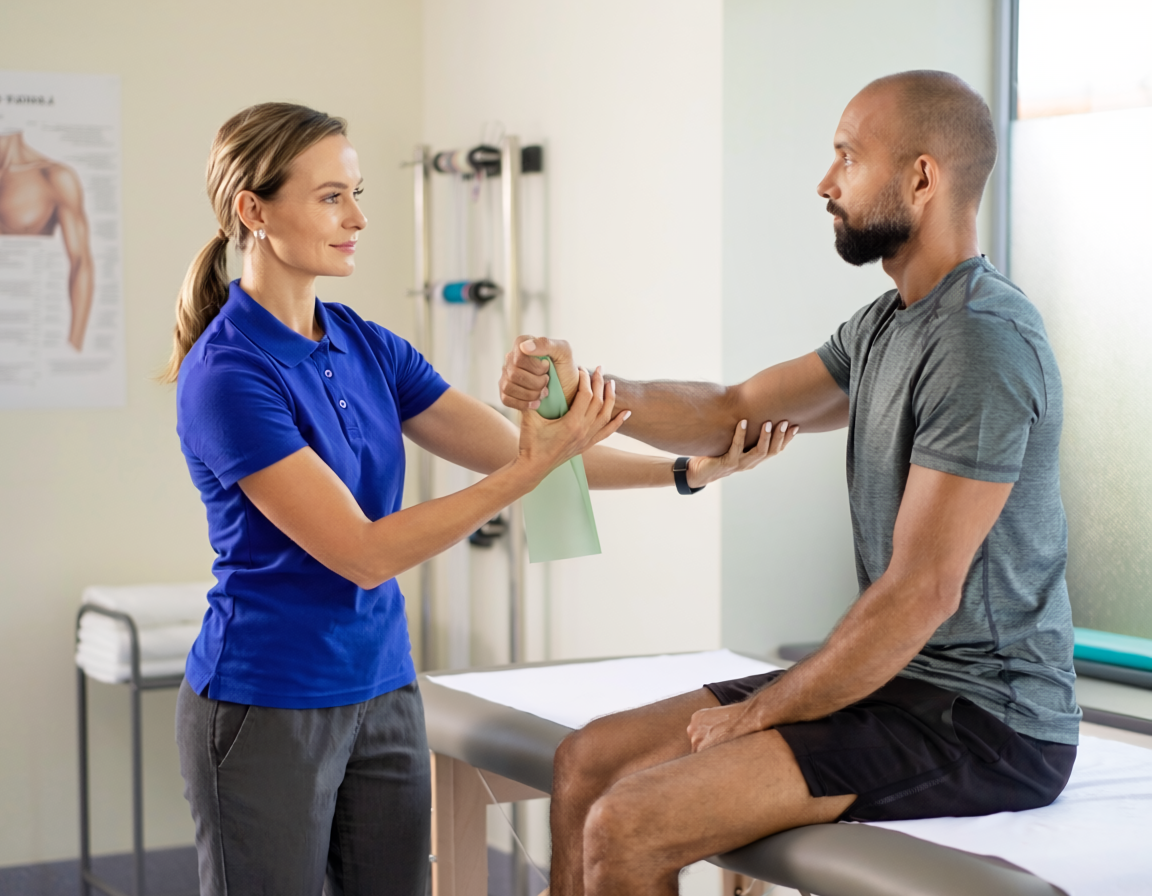
Why Your Shoulder Hurts
The shoulder is the most mobile joint in the body. That mobility comes at a cost — it relies almost entirely on the muscles around it for stability. When those muscles are weak, imbalanced, or overloaded, the joint breaks down.
Rotator cuff problems are the most common shoulder complaint we see. Most people assume a tear means surgery. Research consistently shows that physical therapy produces outcomes equal to or better than surgery for most rotator cuff injuries — without the recovery time or risk.
The shoulder also does not work in isolation. Thoracic spine mobility, scapular positioning, and neck mechanics all affect how the shoulder moves and loads. A good evaluation looks at all of it.
Shoulder Conditions We Treat
Shoulder pain has many causes. These are the ones we see most often.
Rotator Cuff Tears & Tendinitis
Partial or full thickness tears and inflammation of the rotator cuff tendons. Highly responsive to targeted PT in most cases.
Shoulder Impingement
Pinching of tendons and bursa in the shoulder with overhead movement. Usually caused by muscle imbalance and poor mechanics.
Frozen Shoulder (Adhesive Capsulitis)
Progressive stiffening of the shoulder joint capsule causing severe pain and loss of motion. PT is the primary treatment.
AC Joint Injuries
Separation or arthritis of the acromioclavicular joint from trauma or wear. Common in active adults and overhead athletes.
Post-Surgical Shoulder Rehab
Recovery after rotator cuff repair, labral surgery, or shoulder replacement — restoring strength, motion, and function.
Shoulder Instability
Recurring subluxations or dislocations from ligament laxity or prior injury. Stability training is the cornerstone of treatment.
What Physical Therapy Does for Shoulder Pain
Treatment starts with understanding why the shoulder is under stress. Your therapist evaluates not just the joint but your posture, scapular mechanics, and thoracic mobility.
Manual Therapy
Joint mobilization and soft tissue work to restore mobility and reduce pain.
Rotator Cuff Strengthening
Targeted exercises that rebuild the muscles stabilizing the shoulder from the inside out.
Scapular Stabilization
Training the muscles that control shoulder blade position — the foundation of shoulder mechanics.
Home Exercise Program
A structured program to maintain progress and prevent recurrence.
What to Expect
- 01
Full Evaluation
Assessment of shoulder mechanics, strength, range of motion, posture, and thoracic spine mobility.
- 02
Your Plan of Care
Clear goals, clear timeline, clear plan. No vague answers.
- 03
One-on-One Treatment
Same therapist every session. Full attention every visit.
- 04
Measurable Results
Progress tracked against real functional goals.
"I could barely make it from my car to the front door when I started. Now I walk without pain. The one-on-one attention here is nothing like the other places I tried."
Why Patients Choose FYZICAL Therapy Orlando for Shoulder Pain
Most shoulder patients have already been to another clinic. They got a sheet of exercises and a different face every visit.
Here, your therapist evaluates you, treats you, and tracks your progress from first visit to discharge. That consistency is what produces the outcomes our patients describe.
Common Questions About Shoulder Pain and PT
Get Started Today
Ready to Get Back to Living?
Tell us what is going on. We will call you back, figure out if we are the right fit, and get you scheduled. A real person picks up the phone here.